Logistics · Italy
Italy,
door to door
A driver at arrivals, a boat at the dock, a helicopter when the road is the long way round. The train only where it is genuinely faster, with someone holding your name at both ends.
The hotels are the easy part of Italy. The hours in between are where a trip goes right or wrong.
Rome to Florence is ninety minutes by train and three hours by road. Venice has no cars at all. The best hotels on Lake Como are reached by water, the Dolomites by mountain passes, and the Amalfi Coast by one famously narrow road. Every region moves differently, and a trip that treats them all the same loses half a day at every change.
This is how I move my clients: privately, by whatever is fastest and most comfortable for that leg, with every handover arranged before you land. You never carry a bag, read a departure board or wonder who is meeting you. Work with me and you get Fora perks at the hotels, typically a space-available upgrade, daily breakfast and a hotel credit, plus someone who knows these hotels personally. Same rate as booking direct.
Leg by leg
The way I’d move you on each of the trips I’m asked about most.
- Landing
- A driver in the arrivals hall with your name on a sign, a Mercedes at the curb, and your bags handled from the carousel to the hotel door. Rome, Milan, Venice or Naples.
- Rome to Florence
- The fast train, about an hour and a half against three hours by road. Porters at both stations and a driver on the platform in Florence.
- Florence to Venice
- The fast train again, a little over two hours, met at Santa Lucia and walked straight to a private water taxi.
- Into Tuscany
- A private driver who knows the back roads, so wine-tasting days stay wine-tasting days. Or a supercar delivered to the hotel if you want to drive the hills yourself. Tuscany guide.
- Venice
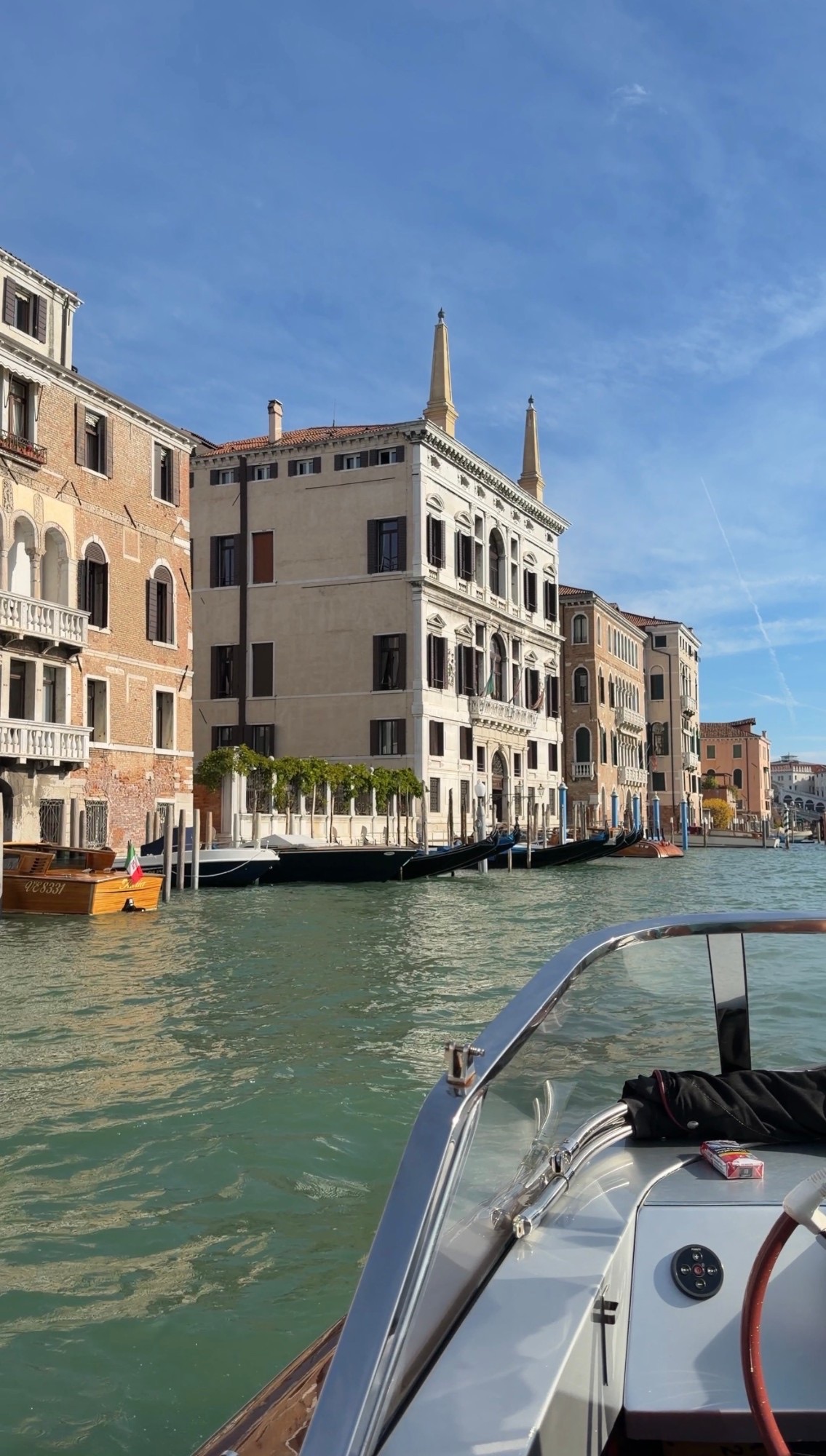
- A private water taxi from Marco Polo or the station straight to your hotel’s dock, and private boats out to Murano, Burano and Torcello. Venice guide.
- Lake Como
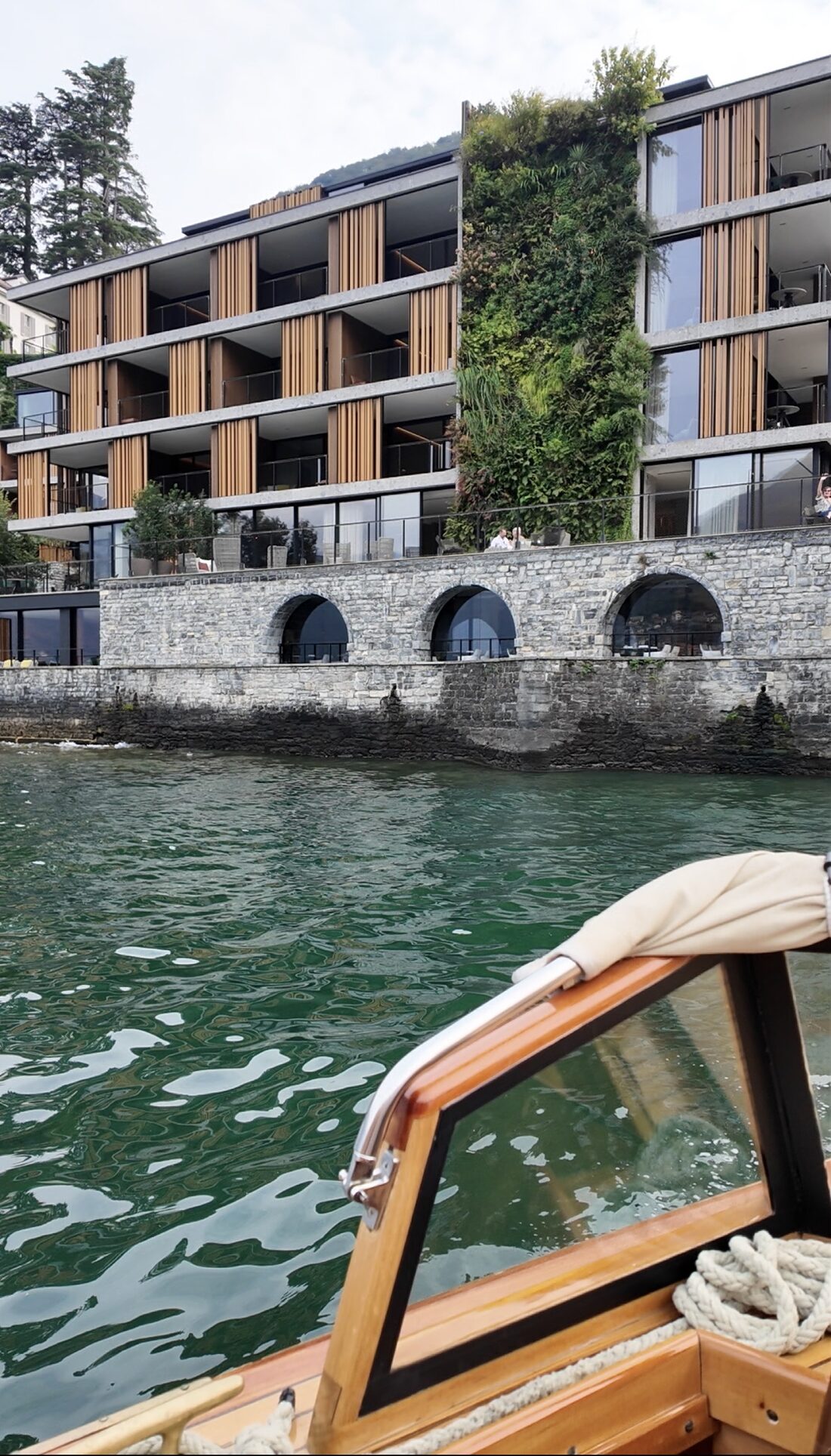
- Car, then boat: a driver from Milan to the water, then about 30 minutes by private boat to your hotel’s dock for the middle of the lake. Lake Como guide.
- The Dolomites
- A private driver or a helicopter. About two and a half to three hours by car from Venice, much less by air from Venice, Lake Como or Milan, weather permitting. Dolomites guide.
- The Amalfi Coast
- By sea or by air. A private boat from Naples or Salerno for the hotels on the water, a private car for the rest, or a helicopter to Scala, close to Ravello. Positano guide.
How you’ll travel
I pick the vehicle for the leg, then build the timing around your days.
- 01
- Private drivers. Mercedes sedans and vans with English-speaking drivers, waiting in arrivals with your name and on hand for days out. The same driver can stay with you for a region, so nobody explains the plan twice.
- 02
- Helicopters. Where a mountain pass or a coast road would eat half a day: into the Dolomites, between Venice and the mountains, along the Amalfi Coast and out of Lake Como. Weather decides the final call, and I always have a car held as the backup.
- 03
- Supercars. For the days the drive is the point. A supercar delivered to your hotel for the Tuscan hills or the roads around Lake Como, and collected when you’re done.
- 04
- Private boats and water taxis. Venice, Lake Como and the Amalfi Coast are best arrived at by water. I work with the captains I trust on each, at fair prices, for transfers, dinners across the lake and days on the water.
- 05
- The train, selectively. Only on the legs where it beats the road, and never without the meet-and-greet. More on that below.
- 06
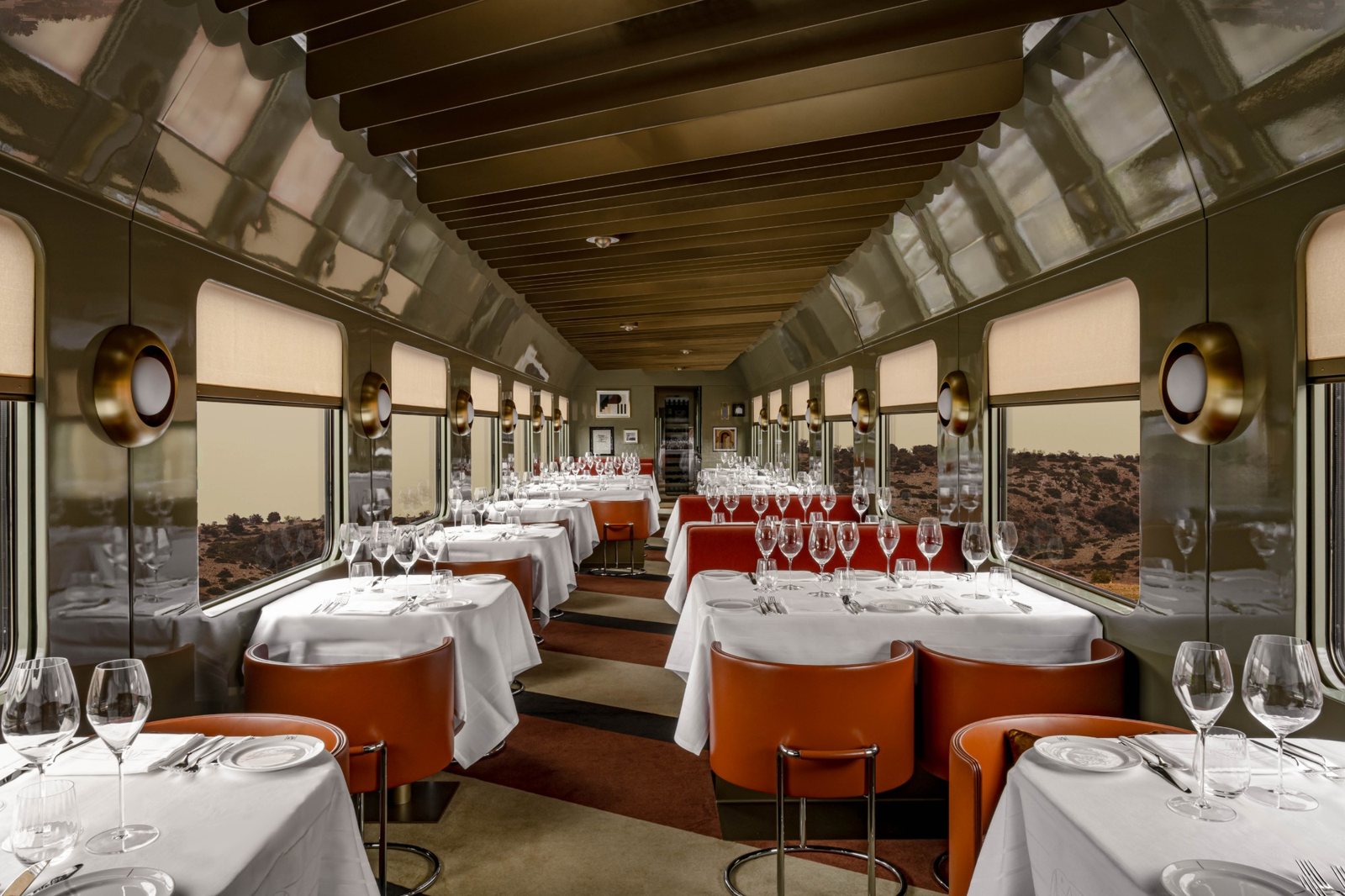
- La Dolce Vita Orient Express. When the train is the trip. A night or more on board between Rome and Venice, with La Minerva before and Orient Express Venice after. Rome, the train and Venice.
When I book the train
I recommend the train in Italy for one reason only: on two legs it is faster and calmer than any car.
- Rome ↔ Florence
- About 1 hour 30 by fast train, against roughly three hours by road.
- Florence ↔ Venice
- A little over 2 hours by fast train, against roughly three hours by road, before the boat.
- How it works
- Never on your own. Your driver drops you at the station, where someone is waiting with your name on a sign. Porters take your bags to your seat in the top class. At the other end you’re met on the platform, and a car or water taxi is waiting outside. You carry nothing.
- Everywhere else
- Private. Lake Como, the Dolomites, Tuscany and the Amalfi Coast are all car, boat or helicopter trips. The train doesn’t reach the hotels, and the transfers at either end cancel out any time saved.
What I take off your plate
Italy has its quirks. These are the ones my clients never have to know about.
- 01
- Restricted city centers. Florence, Rome and most hill towns have camera-enforced traffic zones. Your driver has the permits, or stops where you can walk in.
- 02
- Venice has no cars. Bags, bridges and canals are a real puzzle with luggage. A water taxi to your hotel’s own dock solves it in one move.
- 03
- The Lake Como road. From the town of Como to Tremezzo, Cadenabbia or Bellagio is narrow and takes 45 minutes to an hour. The boat is faster and far more beautiful.
- 04
- Mountain permits. The road up the Alpe di Siusi is restricted to permit holders. The hotel and your driver handle it.
- 05
- The Amalfi Coast road. Narrow, winding and busy all summer. Arrive by sea, or fly to Scala.
- 06
- Timing between regions. Check-out, a train, a boat and check-in can turn into a lost day. I build every move door to door, with one person to message if anything changes.
The routes
Day-by-day versions of the trips I build most, with every transfer written in.
Rome, Florence & Venice
The classic first trip, door to door: three nights each, a day in Tuscany, and the two train legs done properly.
See the route → 14 daysAdd the lakes or the mountains
The ten-day route, then four nights on Lake Como or in the Dolomites, two hotels each.
See the route → 21 daysNorth to south
Lake Como to the Amalfi Coast: Venice, Florence, a Tuscan borgo and Rome on the way.
See the route → The journeyRome, the train & Venice
La Minerva, La Dolce Vita Orient Express and Orient Express Venice in one trip.
See the journey → The journeyAman Venice + Rosa Alpina
The Grand Canal, then the Dolomites, with transfers included.
See the journey → The hotelsWhere I’d stay in Italy
Every Italian hotel I’d book, region by region.
See the hotels →Getting around Italy FAQ
Should we take the train or a private car between Rome, Florence and Venice?
Between Rome and Florence, and between Florence and Venice, the fast train usually wins: about an hour and a half and a little over two hours, against roughly three hours each by road. I only book it with a meet-and-greet and porters at both stations and a driver or water taxi waiting when you step off. Everywhere else, a private car, boat or helicopter is the better way.
Can you arrange helicopter transfers in Italy?
Yes. The Dolomites, Lake Como, Venice and the Amalfi Coast are where a helicopter earns its place, turning a long mountain or coast road into a short flight, weather permitting. The nearest helipad to Aman Venice is about eight minutes away, and on the Amalfi Coast it is in Scala, close to Ravello.
Do we need to rent a car in Italy?
No. In the cities a car is a liability, and in the countryside a private driver who knows the back roads is the better way to do wine-tasting days. If you want to drive for the pleasure of it, I’ll have a supercar waiting for a day in the hills.
How do we get to our hotel in Venice?
By private water taxi, straight from Marco Polo airport or Santa Lucia station to your hotel’s dock. No luggage over bridges and no vaporetto.
How do we get to Lake Como or the Amalfi Coast?
For the middle of Lake Como, a car from Milan to the water, then about 30 minutes by private boat to your hotel’s dock. For the Amalfi Coast, a private boat from Naples or Salerno for the hotels on the water, a private car for the rest, or a helicopter to Scala.
Where and when?
“Rome, Florence and Venice in May, ten nights” is a complete answer. I’ll build every move from there.